

Temps de càrrega, autonomia real, tipus de bateria i com allargar-ne la vida útil.
Abans d'utilitzar la bicicleta per primera vegada, carrega completament la bateria amb el carregador subministrat.
Al nostre web hi ha disponible un supercarregador que redueix aproximadament a la meitat el temps de càrrega.
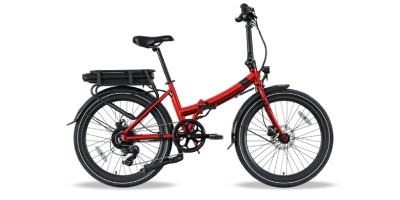
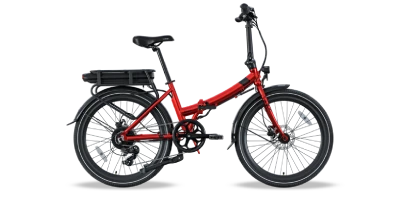
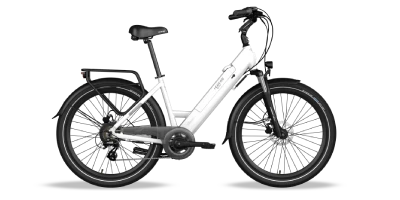
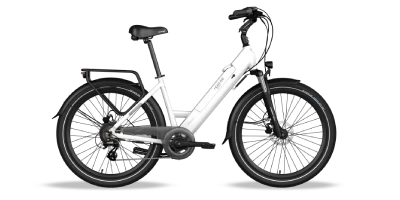
Legend Siena

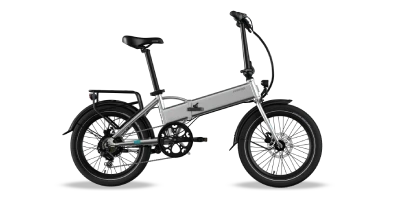
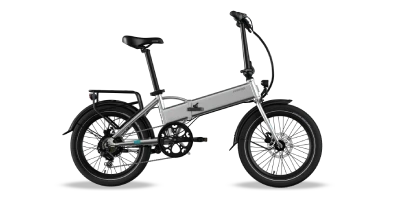
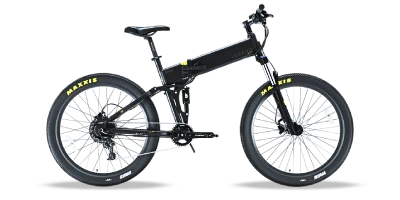
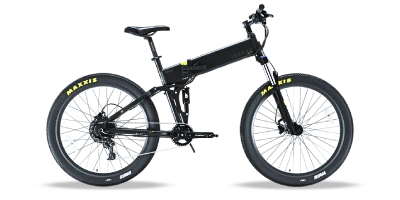
Legend Etna / Legend Monza

Legend Milano

Una bateria completament descarregada sol trigar entre 6 i 8 hores a carregar-se. El temps exacte depèn de la capacitat de la bateria i de la càrrega restant.
El nostre supercarregador, disponible al nostre web, redueix aproximadament a la meitat el temps de càrrega.
El procediment depèn del model.
Important
Desbloqueja la bateria amb la clau abans de retirar-la. Un cop desbloquejada, subjecta-la bé i estira-la amb fermesa en la direcció indicada per al teu model.
Legend Siena — bateria al portaequipatges
Introdueix la clau al pany i gira-la per desbloquejar la bateria.
Fes lliscar la bateria amb fermesa fora del portaequipatges mentre n'aguantes el pes.
Retira la clau després de tornar el pany a la posició inicial.

Legend Monza / Legend Etna — bateria INFrame
Introdueix la clau al pany i gira-la per desbloquejar la bateria.
Subjecta la bateria i estira-la amb fermesa fora del quadre.

Legend Milano — bateria DTube
Introdueix la clau al pany i gira-la per desbloquejar la bateria.
Subjecta la bateria i estira-la amb fermesa fora del tub diagonal.

El pes de la bateria varia segons el model i la capacitat:
Bateria INFrame — Monza / Etna
Bateria DTube — Milano — 36 V
Bateria al portaequipatges — Siena — 36 V
La majoria dels models estan disponibles amb almenys dues capacitats de bateria:
Totes les bateries inclouen sensors de temperatura i un sistema de gestió de la bateria (BMS), dissenyat per garantir una càrrega i descàrrega segures i eficients.
Utilitzen cel·les d'alta qualitat que alimenten el motor amb taxes d'eficiència de fins al 80%.
La diferència principal és la quantitat d'energia emmagatzemada. Una bateria de més capacitat pot proporcionar més autonomia amb les mateixes condicions d'ús i el mateix nivell d'assistència.
*Estimació de prova basada en un ciclista de 70 kg que circula per terreny pla, sense aturades ni vent, amb el nivell d'assistència 1. Homologació R200 pendent.
La taula següent mostra les principals opcions de bateria per a cada model d'eBike:
| eBike | Model de bateria | Motor | Voltatge | Capacitat | Energia |
|---|---|---|---|---|---|
| Etna 500 W | INFrame | 500 W | 48 V | 10,5 Ah | 504 Wh |
| Monza / Etna | INFrame | 250 W | 36 V | 14 Ah | 504 Wh |
| Monza / Etna | INFrame | 250 W | 36 V | 10,4 Ah | 374 Wh |
| Milano | DTube | 250 W | 36 V | 14 Ah | 504 Wh |
| Milano | DTube | 250 W | 36 V | 10,4 Ah | 374 Wh |
| Siena | Portaequipatges | 250 W | 36 V | 13 Ah | 468 Wh |

Totes les Legend eBikes utilitzen bateries d'ions de liti. Com qualsevol bateria d'ions de liti, envelleixen de manera natural i perden capacitat gradualment, fins i tot quan no s'utilitzen.
La bateria no necessita manteniment rutinari, més enllà d'una càrrega i un emmagatzematge correctes. L'indicador del carregador es torna verd quan la càrrega ha acabat. Per protegir la bateria, no guardis la bicicleta en un lloc on la temperatura pugui baixar de 0 °C o superar 50 °C. Sempre que sigui possible, aparca l'eBike a l'ombra o en un lloc fresc.
Evita descarregar completament la bateria. Carrega-la quan en quedi aproximadament un 30%.
Emmagatzematge
Per a un emmagatzematge prolongat, deixa la bateria amb aproximadament un 60% de càrrega. No la guardis completament descarregada ni completament carregada durant períodes llargs. Com que les cel·les d'ions de liti s'autodescarreguen lentament, comprova el nivell de càrrega cada dos mesos aproximadament i, si cal, carrega la bateria durant uns 30 minuts.
Recorda:
Càrregues parcials i cicles de càrrega
Un cicle de càrrega es completa quan la bateria ha proporcionat una quantitat d'energia equivalent a tota la seva capacitat. Això pot passar en una sola descàrrega o al llarg de diverses descàrregues i càrregues parcials. Connectar el carregador no compta automàticament com un cicle complet.
No cal que esperis fins que la bateria estigui completament descarregada per tornar-la a carregar. Les càrregues parcials regulars són preferibles a les descàrregues profundes repetides.
Evita
Quants quilòmetres puc recórrer amb una eBike?
Aquesta és una de les preguntes més habituals sobre una bicicleta elèctrica, però la resposta depèn de més d'una xifra.
L'autonomia teòrica de qualsevol vehicle elèctric depèn de l'energia disponible a la bateria i del consum d'energia del vehicle.
Exemple
Considera una Legend Monza amb una bateria de 36 V i 10,4 Ah.
L'energia disponible és 36 V × 10,4 Ah = 374,4 Wh, comercialitzada com a 374 Wh. Amb un consum mitjà de 5 Wh/km, el càlcul teòric és:
Autonomia = capacitat de la bateria / consum d'energia
Autonomia = 374,4 Wh / 5 Wh/km = 74,9 km
El consum real no es pot predir amb exactitud perquè depèn de molts factors.
Per tant, les especificacions de la bateria indiquen una autonomia estimada, no una xifra garantida.
Una autonomia indicada de 70 o 80 km pressuposa condicions favorables, com ara un terreny pla. Les pujades repetides o prolongades augmenten el consum d'energia i redueixen l'autonomia.
En canvi, les baixades o l'ús de menys assistència del motor redueixen el consum i poden augmentar l'autonomia.
El nivell d'assistència és un altre factor important. Els nivells més alts proporcionen més potència del motor i consumeixen més energia. L'esforç del ciclista també importa: com més potència aporta, menys energia ha de proporcionar el motor.
El pes total també afecta el consum. Les estimacions d'autonomia solen considerar el pes combinat de l'eBike, el ciclista i l'equipatge. Transportar més pes sol reduir l'autonomia.
Les aturades freqüents, com ara als semàfors, també redueixen l'autonomia perquè accelerar des de zero requereix més energia.
Per aquests motius, no es pot garantir la distància exacta per càrrega. L'autonomia publicada és una estimació basada en unes condicions de prova definides.
Mètode de prova R200 — DIN/TS 31064
Pots trobar més informació sobre el mètode de prova R200 aquí: Homologació R200: què és?
Estimar l'autonomia d'una eBike en quilòmetres és complex perquè el rendiment depèn del pes del ciclista, la superfície de la carretera, la pressió dels pneumàtics, el vent, les arrencades i aturades freqüents, els pendents i el nivell d'assistència seleccionat.
També es pot estimar el temps aproximat de funcionament en hores d'una bateria completa comparant-ne la capacitat amb el consum del motor a cada nivell d'assistència.
Els gràfics següents mostren el temps teòric de funcionament de les bateries de 374 Wh, 468 Wh i 504 Wh amb diferents nivells d'assistència.

Monza, Milano i Etna 250 W: 374 Wh / 504 Wh
Siena: 468 Wh

Etna 500 W: 504 Wh
Aquests gràfics són una guia aproximada. El temps de funcionament i l'autonomia reals varien segons la capacitat de la bateria, el nivell d'assistència i les condicions d'ús.
El preu depèn del tipus i la capacitat de la bateria. Consulta aquí les bateries de recanvi disponibles: