



Electric bike insurance is not generally compulsory for a standard 25 km/h pedal-assisted bicycle in the EU. However, the exact requirements depend on the legal category of the e-bike and the country where you ride it.
Even when insurance is optional, it can protect you against theft, accidental damage and potentially expensive claims from other people. Before choosing a policy, you need to understand what type of electric bike you have and which risks you want to cover.
There is currently no EU-wide rule requiring every electric bike owner to purchase motor insurance. EU legislation distinguishes between conventional pedal-assisted cycles and faster or independently powered vehicles that may be classified as mopeds.
A standard electrically power-assisted cycle, commonly known as an EPAC or pedelec, normally has:
Pedal-assisted cycles meeting these conditions are excluded from the EU type-approval framework for L-category motor vehicles under Regulation (EU) No 168/2013. In most EU countries, they are consequently treated as bicycles rather than motor vehicles and do not require compulsory motor liability insurance.
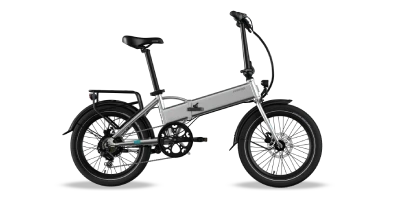
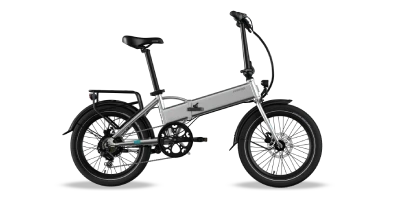
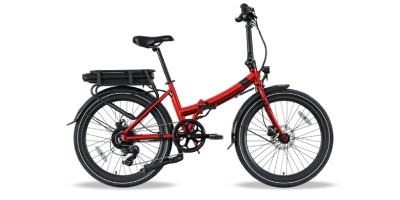
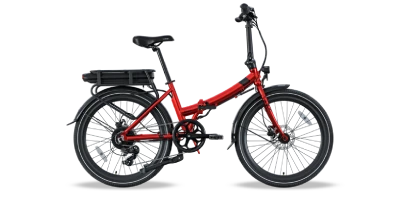
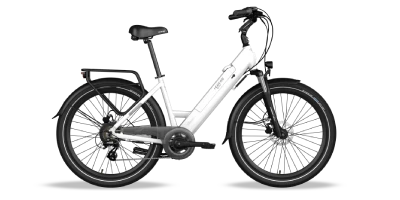
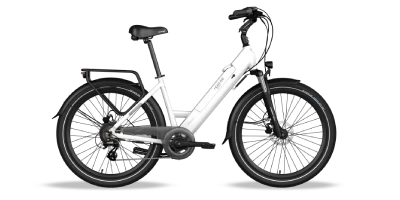
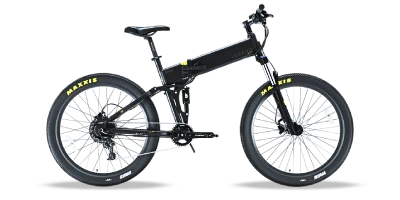
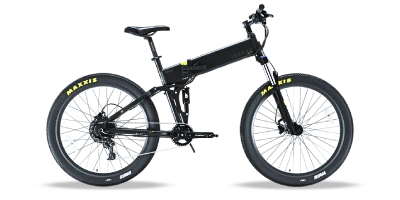
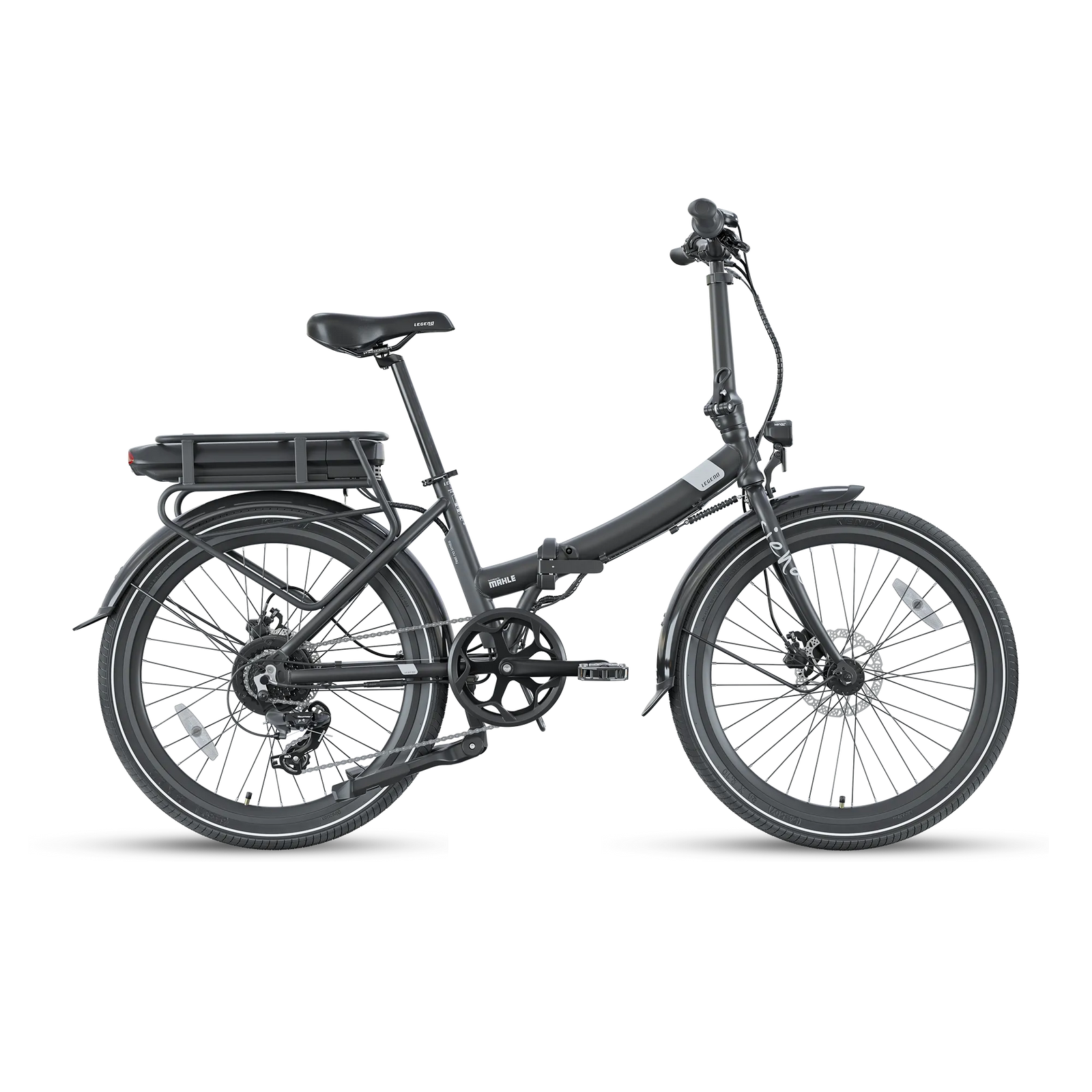
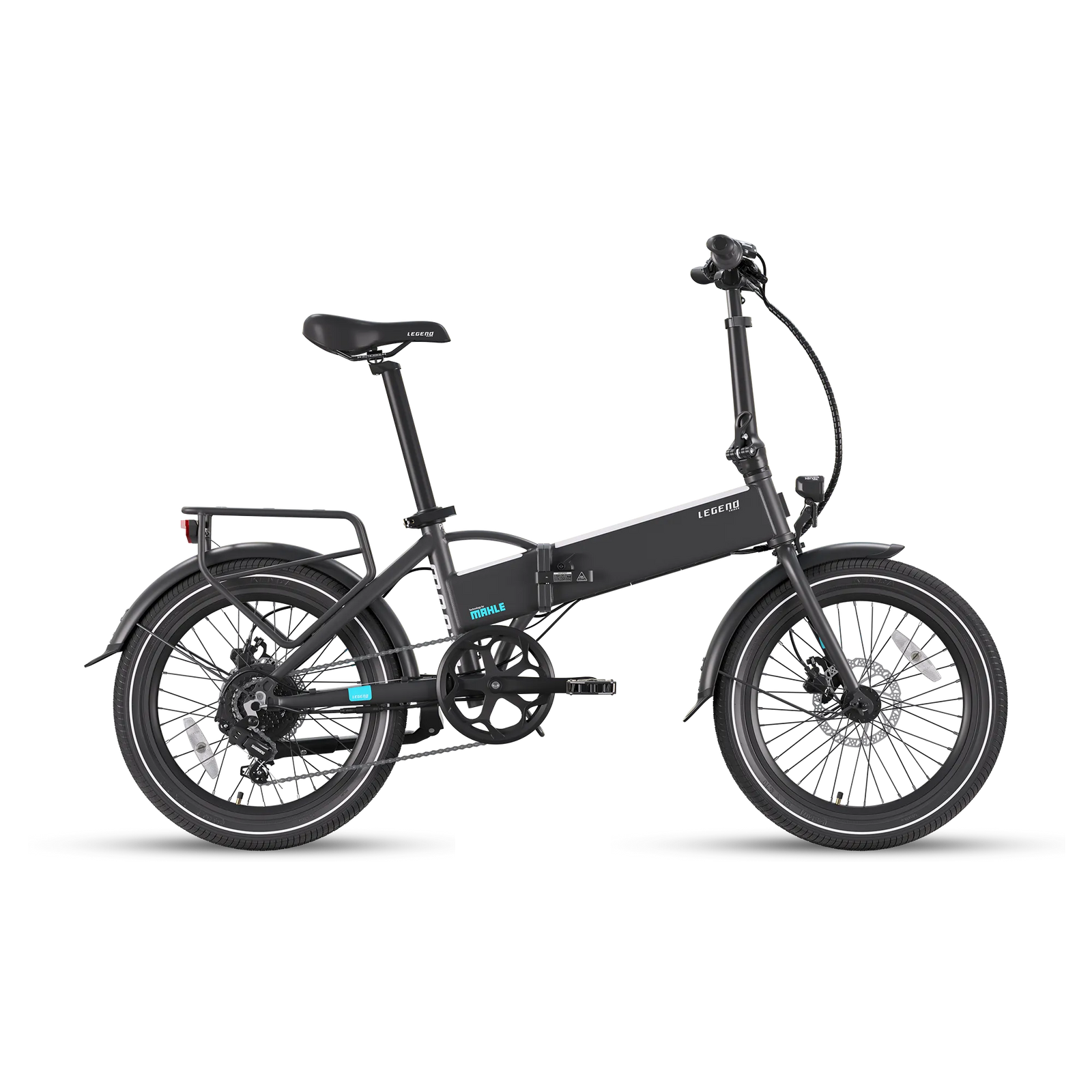
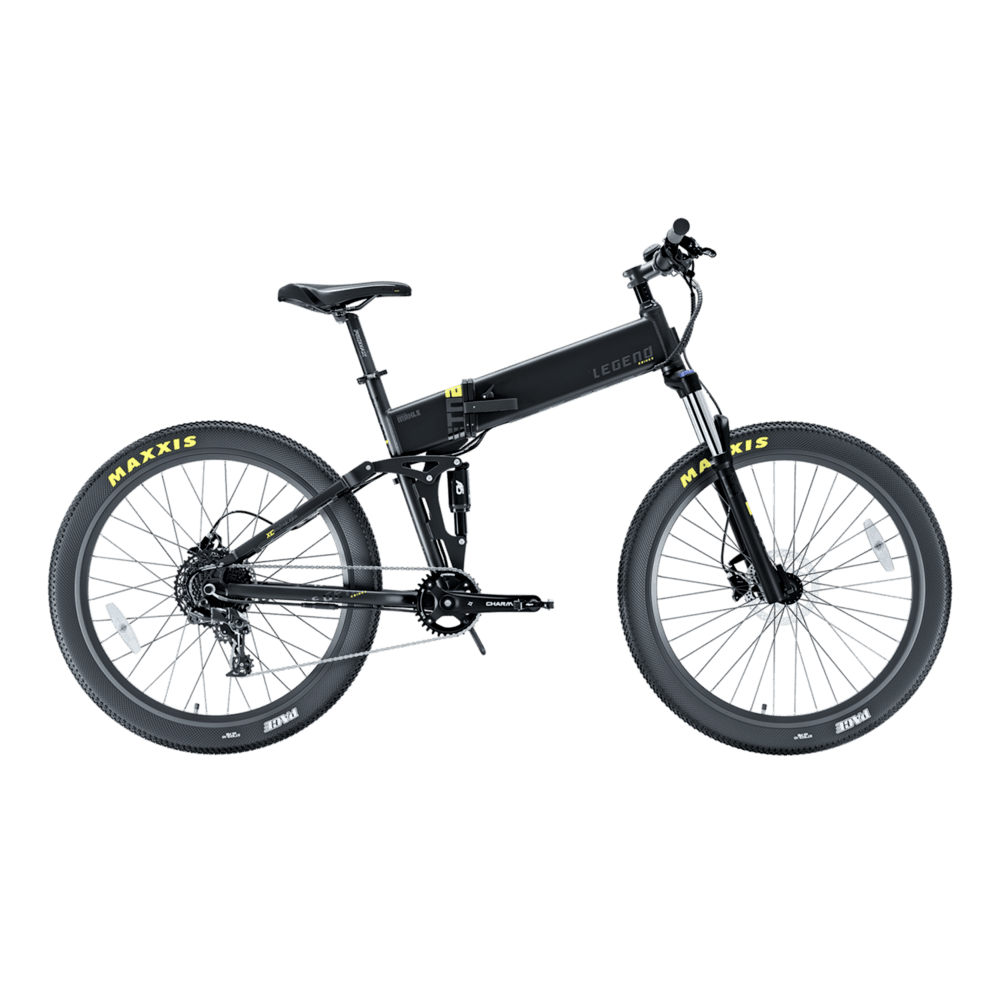
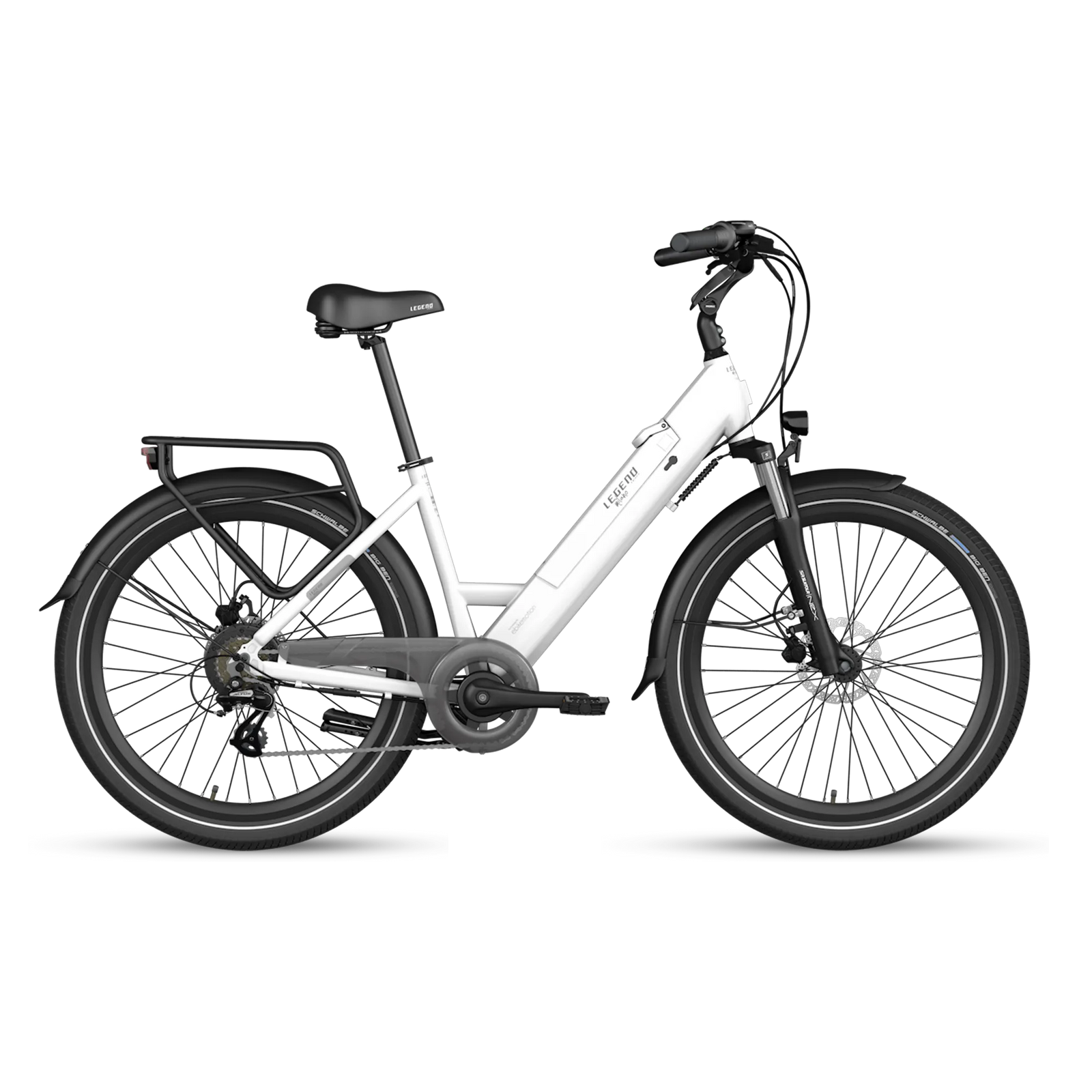
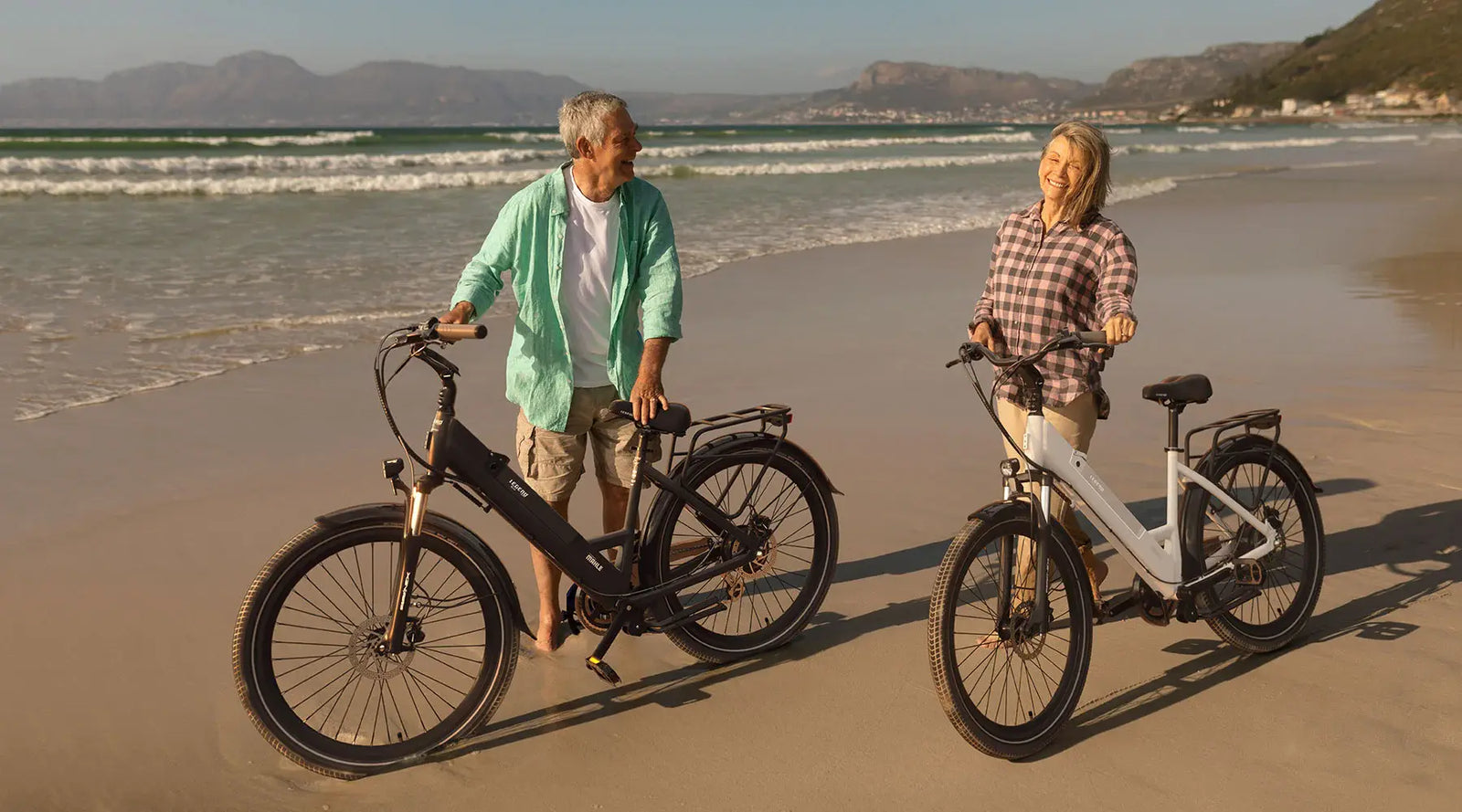
This is the category covering the Legend Siena, Monza, Milano and Etna 250 W. Their assistance is limited to 25 km/h, they require the rider to pedal and they comply with the EN 15194 standard for electrically power-assisted cycles.
| Type of electric bike | Typical characteristics | General insurance position |
|---|---|---|
| Standard EPAC | Up to 250 W, pedal assistance and cut-off before 25 km/h | Compulsory motor insurance is generally not required |
| Speed pedelec | Pedal assistance up to 45 km/h | Frequently classified as a moped; national insurance rules apply |
| Modified or independently powered e-bike | May assist beyond 25 km/h or operate without pedalling | May require type approval, registration and compulsory insurance |
Speed pedelecs are commonly placed in the L1e-B moped category. Depending on the country, riding one may require third-party liability insurance, registration, a number plate, an approved helmet and an appropriate driving licence.
Insurance and registration requirements are ultimately established through national law. You should therefore check the official rules where you live, particularly if your bicycle provides assistance above 25 km/h.
Removing the speed limiter or installing an unrestricted throttle can change the legal classification of your bike. It may also invalidate an existing policy, even if the bicycle originally complied with EPAC requirements.
The United Kingdom is no longer part of the EU, but its rules for conventional pedal-assisted e-bikes are similar. A qualifying electric bike is legally known as an Electrically Assisted Pedal Cycle, or EAPC.
Under the current rules in Great Britain, an EAPC must have pedals that can propel the bike, its electric motor must have a maximum continuous rated output of 250 W and the motor must stop providing assistance at 15.5 mph, equivalent to approximately 25 km/h.
You must be at least 14 years old to ride an EAPC. According to the official UK Government guidance, a compliant EAPC does not need to be registered, taxed or insured, and you do not need a driving licence to ride one.
If an electric bike does not meet the EAPC requirements, it may be treated as a motorcycle or moped. In that case, the vehicle must generally be registered, taxed and insured. The rider also needs the appropriate driving licence and an approved motorcycle helmet.
Northern Ireland applies the same basic position for compliant EAPCs: registration, licensing and compulsory insurance are not required. Riders should nevertheless check the current Northern Ireland Government guidance, particularly when using a vehicle that falls outside the conventional EAPC category.
In Ireland, an e-bike with a maximum power output of 250 W and motor assistance that cuts off at 25 km/h is treated as a bicycle. Compulsory motor insurance is therefore not required for this standard category.
Ireland also has specific categories for more powerful e-bikes and e-mopeds. The rules differ according to power, maximum design speed and whether propulsion requires pedalling.
For example, the Irish Road Safety Authority states that pedal-assisted L1e-A and L1e-B e-mopeds do not currently require insurance, although other obligations—including registration, motor tax, helmets or a driving licence—may apply depending on the category. Throttle-assisted e-mopeds capable of travelling above 25 km/h must be insured.
If your bicycle exceeds the standard 250 W and 25 km/h limits, consult the official Road Safety Authority guidance before using it on a public road.
Compulsory motor liability insurance and voluntary bicycle insurance are not the same. A compulsory policy is primarily intended to compensate other people when a motor vehicle causes injury or property damage. Dedicated bicycle insurance can also protect your own e-bike.
The exact protection varies between insurers and policies, but the following types of cover are the most common.
Theft cover can pay towards replacing your electric bike if it is stolen. Depending on the policy, protection may apply at home and while the bicycle is locked in a public place.
Some policies also cover damage caused during an attempted theft or the theft of individual components, such as the battery. This is important because a replacement e-bike battery can represent a substantial part of the bicycle’s total value.
Always check the security requirements. Your insurer may specify:
Accidental damage can cover repair or replacement costs following a crash, fall or unexpected incident. Vandalism may also be included, depending on the selected policy.
This protection can be particularly useful if you commute daily or frequently transport a folding electric bike in a car, camper van or on public transport. Models such as the Legend Monza and Legend Siena are designed for easy storage and transport, but regular use still exposes any bicycle to accidental damage.
Third-party liability covers injury or property damage you cause to someone else while riding. Even if it is not legally compulsory for your EPAC, it can prevent you from having to pay a serious claim personally.
Liability while cycling may already be included in your household, home or personal liability insurance. However, the scope varies considerably between countries and providers. Ask your insurer to confirm that the policy covers pedal-assisted electric bikes, use away from home and the countries in which you expect to ride.
You should also check whether commuting is included. Commercial activities such as deliveries, courier work or bicycle rental are often excluded from personal policies and may require specialist business cover.
Some electric bike insurance policies include roadside recovery or emergency travel expenses after an insured accident, breakdown or theft. This may cover transport to a workshop, a taxi, a train journey or temporary replacement transport.
Such assistance is especially valuable when your e-bike is your principal means of getting to work. Read the conditions carefully, as breakdown caused by normal wear, poor maintenance or a depleted battery may be excluded.
Optional personal accident protection can provide financial support if you are seriously injured while riding. Legal assistance may help you recover losses from another road user after an accident.
These benefits are separate from cover for damage to the bike itself. Do not assume that a comprehensive-sounding bicycle policy automatically includes compensation for personal injury.
There is no standard price for electric bike insurance. Premiums and insurance models can change, while the quote you receive will depend on your country, the value of the bicycle and the protection selected.
The main factors affecting the cost include:
The most reliable way to know the cost is to request a personalised quote. Compare not only the price, but also the excess, replacement-value conditions, approved-lock requirements, geographical coverage and exclusions.
It is also worth checking whether the policy replaces the bicycle at its original purchase price, its current market value or with an equivalent model. A cheaper policy may provide less protection if depreciation is applied to a claim.
Legend eBikes collaborates with Laka to offer insurance designed specifically for cyclists. Where the service is available for your country and selected bicycle, you can choose the insurance option during the purchasing process.
After completing your order, you will receive an email containing your quote and the instructions needed to activate the policy. The insurance agreement is separate from the purchase of your Legend eBike, so you should read the insurer’s current terms before accepting it.
Pay particular attention to battery and accessory cover, the policy excess, business-use exclusions and whether protection continues when you travel abroad. If Laka is not offered in your country, compare specialist bicycle insurers and your existing household or personal liability cover.
Electric bike insurance may not be compulsory for your Legend EPAC, but the right cover can protect both your bicycle and your finances. Compare theft, accidental damage and liability protection according to how you ride, then explore the Legend eBike collection or book a test ride to find the right model for your daily journeys.



In 2026, several regional and local e-bike subsidies in France can help reduce the cost of a new electric bike. Explore the main verified schemes, check the eligibility requirements and use the online tool to find financial support available in your area.
Stylish and eco-friendly electric bikes designed for urban mobility.