



Discover the subsidies for electric bikes in your city.
At Legend eBikes, we follow e-bike subsidy programmes across Europe because they can make electric mobility more accessible for everyday riders. In 2026, the picture is still mixed: some countries offer direct grants, some rely on regional or municipal incentives, and others mainly support e-bikes through tax benefits, salary-sacrifice schemes or employer-led bike leasing.
This page is designed as a practical overview for riders who want to understand where support may be available in 2026, which countries currently matter most, and where to find our more detailed guides for specific cities, regions or subsidy schemes.
There is no single European subsidy for e-bikes. In practice, support usually depends on one or more of these factors:
Some programmes are direct purchase subsidies. Others work through tax reimbursement, commuting allowances, salary sacrifice or employer bike plans. That is why we always recommend checking the official requirements before buying.
Spain does not currently have one single national e-bike grant. In 2026, support is mainly regional or local. Some of the most relevant examples include Madrid and Galicia, and the conditions can vary depending on the programme and the applicant profile.
Italy often works through local programmes rather than one nationwide subsidy. In 2026, Florence and Piacenza are two of the clearest examples currently worth checking, which is why we recommend starting there if you are looking for a practical local grant.
Belgium remains highly relevant, but often through employer-led bike leasing and commuting benefits rather than a classic direct purchase subsidy. For many riders, bike leasing, salary optimisation and commuting reimbursement are the most practical route.
France remains one of the most important countries for local and regional e-bike support, even though the old national bonus is no longer the main reference point. In practice, support now depends much more on your city, region, income profile and the type of bike you want to buy.
Slovenia’s Borzen programme is one of the clearest direct subsidy examples in 2026 for private individuals buying an eligible city or cargo e-bike. For riders looking for a more straightforward grant-based model, this is one of the most relevant active cases in Europe right now.
Portugal remains one of the most useful examples of direct national support, with Fundo Ambiental continuing to matter in the 2025–2026 framework. For urban electric bikes and cargo e-bikes, this can still be one of the most relevant national opportunities for private buyers in Southern Europe.
Luxembourg remains notable because support for bicycles and pedelec25 models continues in the current framework up to 2030, making it one of the clearest long-running examples of direct support for private buyers. The exact amount depends on the type of bike, but the scheme remains highly relevant in 2026.
Greece is still relevant through Kinoumai Ilektrika, especially for riders checking direct support for e-bikes and related electric mobility categories. As with many programmes in Europe, the key is to verify whether the current call is open and whether bicycles are included under the active conditions.
Iceland is a smaller market, but still worth noting because some support has remained visible for cargo and utility-style bicycles. For practical urban and utility use, that can make Iceland more relevant than its market size might suggest.
Germany still does not have one broad national e-bike subsidy for private buyers. In practice, support tends to come from local or state-level schemes, often focused on cargo bikes, family use, social criteria or business fleets. Some municipal programmes that were visible in previous years are no longer open in 2026, so it is especially important to verify the exact city or regional status before assuming that an application is active.
The Netherlands is still more strongly associated with tax and employer bicycle schemes than with one classic direct consumer grant. In 2026, this remains highly relevant for commuting, especially through mileage reimbursement and company-bike approaches. That makes the Dutch market important for practical urban e-bike use, but the support logic is not the same as a simple municipal purchase grant.
Switzerland does not generally rely on one national e-bike purchase grant in the same way as some neighbouring countries. In practice, support often depends on the canton or municipality, so this remains a market where local verification is essential. For Swiss riders, the most realistic approach is usually to check municipal or cantonal incentives directly rather than assuming nationwide coverage.
Poland has attracted attention because of repeated discussion around a future nationwide e-bike support scheme. However, one of the key problems for riders in 2026 is that interest and visibility around these proposals has often been higher than the certainty of a live, stable call. For that reason, we recommend treating Poland carefully: monitor official openings, but do not assume that a widely discussed scheme is automatically open for applications in 2026.
Austria has had important support schemes in the past, but some of the more visible federal programmes for bikes or e-cargo bikes have already changed or ended, depending on category and year. In 2026, the key is to distinguish between expired schemes, cargo-focused support and regional opportunities that may still exist.
Ireland continues to be strongly defined by the Cycle to Work framework rather than by a classic local purchase rebate. For many riders, this remains one of the most practical ways to access an e-bike through employment, especially when commuting is the main use case.
Norway often appears in the conversation through local or business-oriented cargo bike support rather than a simple broad consumer subsidy. In 2026, the position can still vary significantly by municipality, and support is often narrower than in consumer-facing grant systems.
The United Kingdom remains strongly associated with Cycle to Work salary-sacrifice structures rather than one direct e-bike subsidy. That still makes it a relevant market for e-bike affordability, but, as in Ireland and Belgium, the logic is more employer-linked than grant-based.
Before you buy, these are the questions we recommend checking first:
These small details often decide whether an application goes smoothly or becomes frustrating.
Many European subsidy schemes focus on practical pedal-assist bikes rather than throttle-controlled vehicles. In general, everyday EPAC eBikes in Europe are often associated with:
That said, each call may define its own technical requirements. Some schemes focus on folding bikes, others on urban bikes, cargo bikes or commuter use. Always check the final conditions before purchasing.
Subsidy eligibility is important, but it is not the only thing that matters. The right bike should also suit your real routine: your commute, your storage space, your comfort expectations and your daily riding habits.
If you want help understanding motor types, range, folding formats, support and buying criteria, we recommend reading our eBike buying guide.
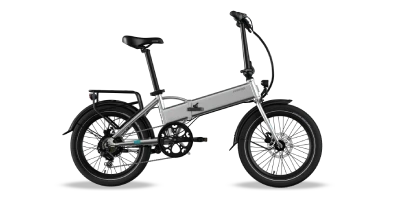
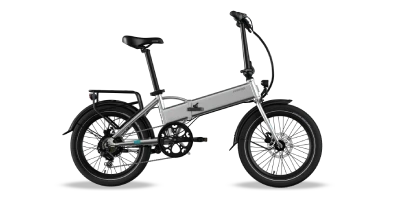
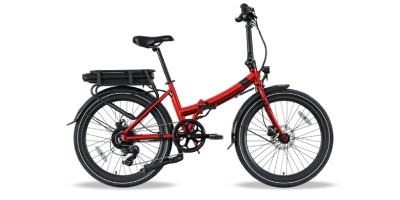
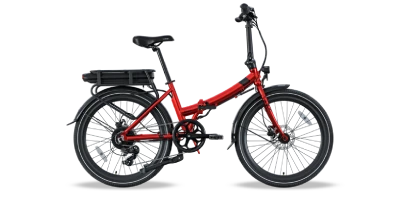
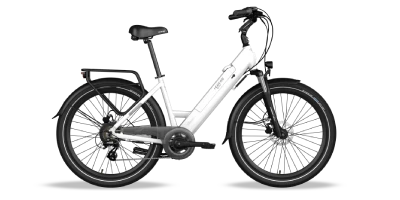
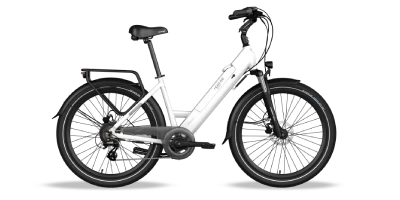
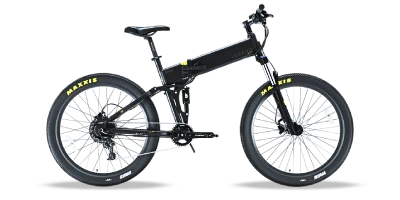
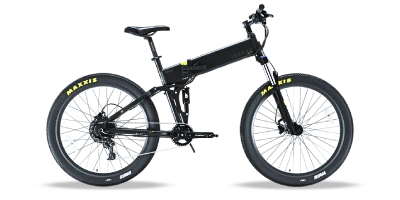
At Legend eBikes, we design our bikes for practical urban mobility, with smart features, folding options and everyday usability in mind. That can be especially useful if you are looking for a bike that fits commuting, storage, mixed transport or city life.
Depending on the specific call, some of our models may be especially relevant for urban subsidy programmes. Before applying, we recommend checking the official requirements and contacting our team if you need product documentation or model information.
Buying an eBike online can feel like a big decision, especially when a subsidy is involved. Clear documentation, after-sales support, partner workshops, test ride opportunities and practical product information can all help reduce that uncertainty.
If you want more confidence before choosing, we recommend checking the requirements of the subsidy carefully and speaking with our team if you need help understanding which model may fit your route and your city use best.
| Country | 2026 situation | What to know | Where to learn more |
|---|---|---|---|
| France | Local and regional support remains relevant | The old national bonus is no longer the main reference, but local and regional opportunities still matter depending on residence and applicant profile. | France guide |
| Germany | No broad national private-buyer scheme confirmed | Support is often local, cargo-focused or business-oriented. Some earlier municipal schemes are no longer open in 2026. | Check city or state sources |
| Spain | Mainly regional and local | Madrid and Galicia are among the most relevant cases for 2026. | Spain guide |
| Belgium | Employer-led and tax-based support remains strong | Bike leasing, commuting allowance and, in some cases, local schemes such as Brussels remain relevant. | Belgium guide |
| Netherlands | Tax and company-bike structures remain relevant | Not usually one simple consumer grant; employer and tax frameworks matter more. | Check Dutch official tax and business rules |
| Italy | Mainly local | Florence and Piacenza are two of the clearest current examples in 2026. | Italy guide |
| Portugal | National support remains relevant in the 2025–2026 framework | Fundo Ambiental still matters, especially for urban and cargo electric bicycles, but applicants should verify the active phase and category details. | Check current Fundo Ambiental call |
| Switzerland | Mostly local or cantonal | No broad national pattern comparable to some EU consumer grants; local verification is key. | Switzerland guide |
| Poland | No clearly stable nationwide consumer call confirmed here for 2026 | High visibility in media does not always mean an open live application window. | Monitor official national fund announcements |
| Austria | Mixed situation | Some past federal schemes have ended or shifted; cargo and regional programmes should be checked separately in 2026. | Check federal and regional sources |
| Ireland | Cycle to Work remains relevant | Support is mainly employer-based rather than a direct local consumer subsidy. | Check official Cycle to Work information |
| Norway | Mainly local or business-oriented | Support often focuses on municipal or cargo/business use rather than broad private purchase grants. | Check municipal sources |
| United Kingdom | Cycle to Work remains relevant | The UK still relies mainly on employer-linked salary-sacrifice frameworks rather than a direct grant. | Check Cycle to Work / Cyclescheme details |
| Luxembourg | Direct support remains relevant | Klimabonus for pedelec and cargo bikes remains a key reference and currently runs into the longer-term framework beyond 2026. | Check current Luxembourg subsidy rules |
| Greece | Relevant if the current call is open | Kinoumai Ilektrika remains important to monitor, but buyers should check whether bicycles are included in the active application period. | Check current Greek official call |
| Iceland | Targeted support can still be relevant | Cargo and utility-style bikes are the most relevant categories to monitor. | Check current Icelandic support rules |
E-bike subsidies in Europe in 2026 can be very useful, but they are rarely one-size-fits-all. Some are national, some are regional, some are local, and some work through employer or tax structures rather than direct grants.
At Legend eBikes, we recommend using this page as a starting point: understand the landscape, review the relevant country or city guide, and always verify the official requirements before purchasing. If you need help choosing a bike that fits your needs and may align with a specific programme, our team will be happy to help.
We will contact you as soon as possible to inform you about the active subsidies in your city. And we will also inform you about the electric bike models that best suit your needs.